Form 12 QLD — Aspect Inspection Certificates for the Gold Coast
What a Form 12 is, when you need one, and who’s qualified to sign it.
Rainbow Engineering’s RPEQ structural engineers inspect and certify footings, slab reinforcement, structural steel, retaining walls and swimming pool structures on a Form 12 — the official Queensland Aspect Inspection Certificate — so your building certifier can sign off your stage.
Completed on the official Queensland Form 12 template, so your certifier can accept it without a follow-up request.
Form 12 in Queensland, explained plainly.
A Form 12 — Aspect Inspection Certificate (Appointed Competent Person) is a Queensland Government building form. It’s completed after a specific aspect of building work — a footing, a slab, a retaining wall, a structural steel connection — has been physically inspected on site by someone the building certifier has formally appointed as competent to do so.
The person signing it isn’t confirming a design on paper — they’re confirming what was actually built matches the approved plans, under sections 74 and 77 of the Building Regulation 2021. Your building certifier then relies on that Form 12, alongside any others for the same stage, to issue a Form 16 – Inspection Certificate for the stage as a whole.
For structural aspects of a build — footings, slab reinforcement, framing, retaining walls, and swimming pool shells — that appointed competent person is almost always a Registered Professional Engineer of Queensland (RPEQ). Non-structural aspects, like electrical or plumbing work, are certified on their own Form 12s by competent persons licensed in those trades.
Form 12 inspections for the Gold Coast, aspect by aspect.
We inspect the structural elements that most often need a Form 12 before your certifier can move to the next stage.
Footing & Slab Reinforcement
Pre-pour inspection of footing and slab reinforcement — bar size, spacing, cover and lap lengths — checked against the approved structural drawings before concrete goes down.
Structural Framing & Steel
Aspect inspections of structural steel connections, bolting, welds and framing elements, confirming they match the engineering design and relevant Australian Standards.
Retaining Walls
Form 12 certification for retaining wall footings, drainage and reinforcement, whether it’s a standalone boundary wall or one sitting close to a proposed pool or structure.
Swimming Pool Shell & Structure
Inspection of concrete pool shell reinforcement and structural elements prior to shotcrete or pour, including pools built adjacent to existing retaining structures.
Multi-Aspect Projects
For larger builds needing several Form 12s across a project timeline, we schedule inspections at each construction stage so your certifier receives them as work progresses, not after the fact.
Form 15 Design Compliance
Where your certifier needs both — we also issue Form 15 Compliance Certificates for structural design, ahead of the Form 12 aspect inspection on site.
Form 12 vs Form 15 vs Form 16 — and other common mix-ups.
Select a topic to see how it fits into Queensland’s building certification process.
Design certificate vs on-site inspection
Form 15 is a Compliance Certificate for Building Design or Specification — it’s issued at the design stage, before construction, confirming the design will comply with the building assessment provisions if built as documented.
Form 12 comes later. It’s the Aspect Inspection Certificate confirming what was actually built on site matches that design.
One aspect vs one whole stage
A Form 12 is completed by the appointed competent person — like our RPEQ engineers — for one specific aspect of work, such as footing reinforcement.
A Form 16 – Inspection Certificate is completed by the building certifier for an entire stage, relying on all the Form 12s (and other aspect certificates) submitted for that stage.
Not a QBCC-issued form
Form 12 is made under the Building Act 1975 and Building Regulation 2021 — it’s a Queensland Government building certification form, not a QBCC licensing form.
It comes up alongside QBCC because licensing and certification both sit within the same broader building approval framework in Queensland.
Form 12 isn’t only structural
Form 12 is used across all classes of building work. Electrical, plumbing and smoke alarm aspects can each be certified on their own Form 12 by a competent person appropriately licensed in that trade.
Rainbow Engineering issues Form 12 certificates for structural aspects — for electrical or plumbing aspects, your builder or certifier will engage the relevant licensed trade.
A different form entirely
The Body Corporate and Community Management (BCCM) Act has its own separate Form 12, used for body corporate motions and voting. It has nothing to do with building or structural certification.
If you’re dealing with construction, inspections, or a building certifier, the Form 12 you need is the Aspect Inspection Certificate described on this page.
Do you need a Form 12 right now?
Tick anything that applies to your current stage of construction.
Tick the items that apply to see whether a Form 12 inspection is likely needed now.
Call 0499 887 867From site inspection to a certifier-ready Form 12.
Tell us the aspect & stage
Builder, homeowner or certifier lets us know which aspect needs inspecting and when the site will be ready — before the pour, not after.
On-site inspection
Our RPEQ engineer inspects the aspect directly against the approved structural drawings and relevant standards.
Form 12 completed & signed
We complete the official Form 12 template, stating the basis for certification, and provide it to your builder or certifier.
Submitted for your Form 16
Your certifier receives the Form 12 alongside any others for the stage, ready to progress toward the Form 16 sign-off.
Real structural certification & inspection work.
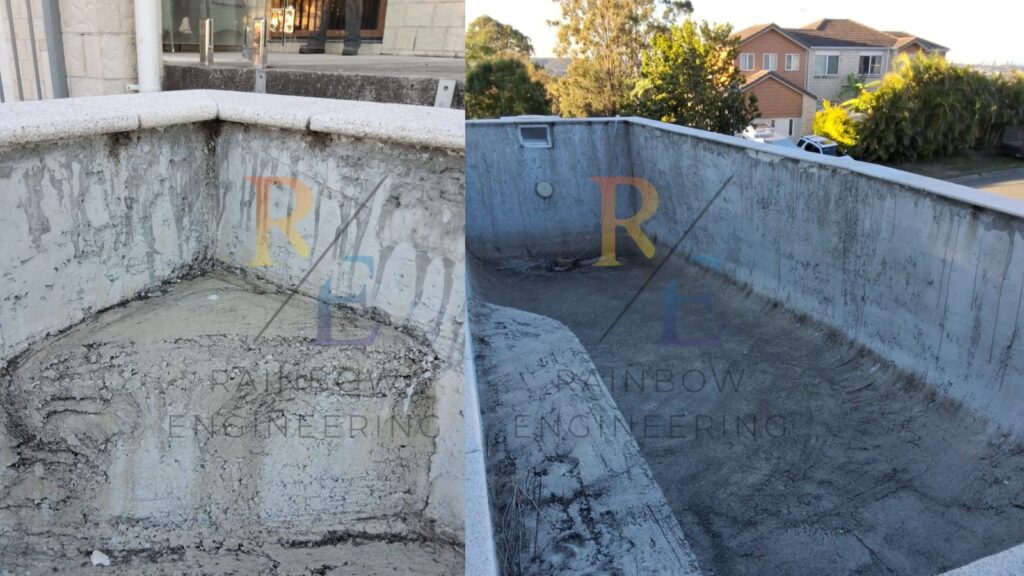
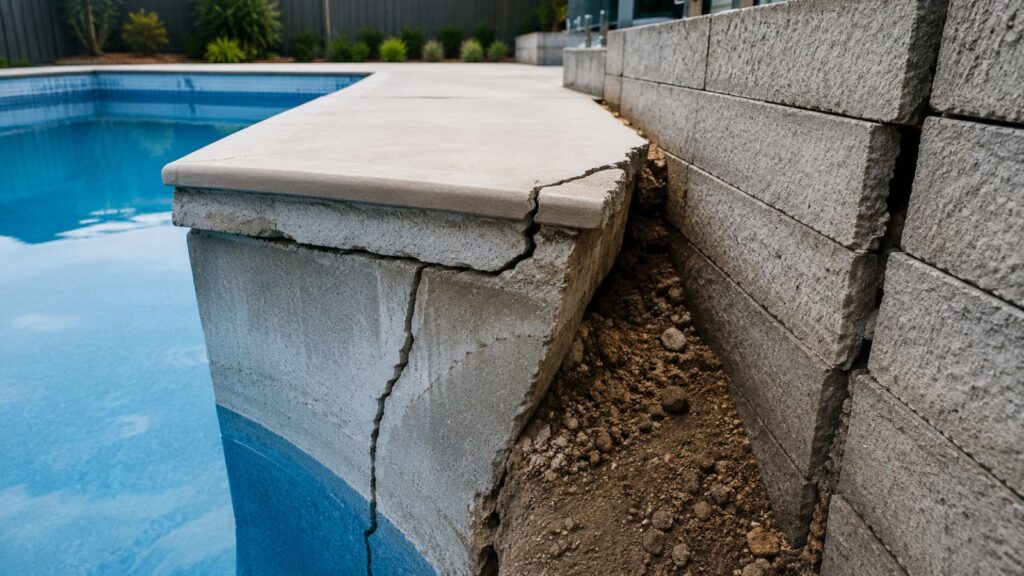
Form 12 inspections across the Gold Coast.
What clients say about Rainbow Engineering.
Common questions about Form 12 in Queensland.
A Form 12 is Queensland’s Aspect Inspection Certificate (Appointed Competent Person). It’s completed by a person the building certifier has appointed as competent — such as an RPEQ structural engineer — after they’ve inspected a specific aspect of building work and are satisfied it complies with the building development approval, under sections 74 and 77 of the Building Regulation 2021.
Only a person the building certifier has assessed and appointed as an appointed competent person for that specific aspect. For structural aspects — footings, slab reinforcement, structural steel, retaining walls, pool shells — this is typically a Registered Professional Engineer of Queensland (RPEQ). Other aspects, such as electrical or plumbing work, are certified by their own appropriately licensed competent persons.
A Form 12 is required whenever a building certifier needs confirmation that a specific aspect of building work has been completed and complies with the approved plans before they can sign off that stage on a Form 16. Common Form 12 triggers include footing and slab reinforcement placement before pour, structural steel connections, retaining walls, and swimming pool shell reinforcement.
Form 15 is a Compliance Certificate for Building Design or Specification, issued at the design stage to confirm a design will comply with the building assessment provisions if built as documented. Form 12 is the Aspect Inspection Certificate issued after construction, confirming what was actually built on site matches that approved design. A Form 15 doesn’t replace a Form 12, and a Form 12 doesn’t replace the need for a Form 15.
A Form 12 is completed by the appointed competent person (e.g. a structural engineer) for one specific aspect of work. A Form 16 – Inspection Certificate is completed by the building certifier for an entire stage of work, relying on the Form 12s (and other aspect certificates) they’ve received. In short: Form 12 certifies an aspect, Form 16 certifies a stage.
Form 12 is used across all classes of building work, not just structural aspects — an electrical or plumbing aspect can also be certified on a Form 12 by a competent person appropriately licensed in that trade. Rainbow Engineering issues Form 12 certificates for structural aspects specifically, such as footings, reinforcement, retaining walls and pool structures — for electrical or plumbing aspects, your builder or certifier will engage the relevant licensed trade.
Form 12 is a Queensland Government building form made under the Building Act 1975 and Building Regulation 2021, not a QBCC-issued form. It often comes up alongside QBCC because QBCC licensing and building certification sit within the same broader Queensland building approval framework, but the Form 12 itself is administered through the building certification process, not the QBCC licensing system.
No. The Body Corporate and Community Management (BCCM) Act has its own, separate Form 12 used for body corporate motions and voting — it has nothing to do with building or structural work. The Form 12 discussed on this page is the Aspect Inspection Certificate under the Building Act 1975 and Building Regulation 2021.
The official Form 12 template is published as a PDF by the Queensland Government and should be completed on that approved layout — an unofficial template can get rejected by your certifier. When Rainbow Engineering completes a structural Form 12 for your project, we complete and issue the official form directly, so there’s nothing extra for you to source.
Usually yes. Each aspect of work needs its own Form 12 from the competent person appointed for that aspect — so a typical project might have separate Form 12s for footing reinforcement, slab reinforcement, structural steel, and a retaining wall or pool shell, each issued at the relevant construction stage rather than all at once.
Book your Form 12 inspection on the Gold Coast.
Tell us the aspect and stage you need certified, and we’ll schedule an RPEQ engineer to inspect and sign it off.